Still Verified, Already Gone: The Slow Erasure of Accounts That Used to Matter
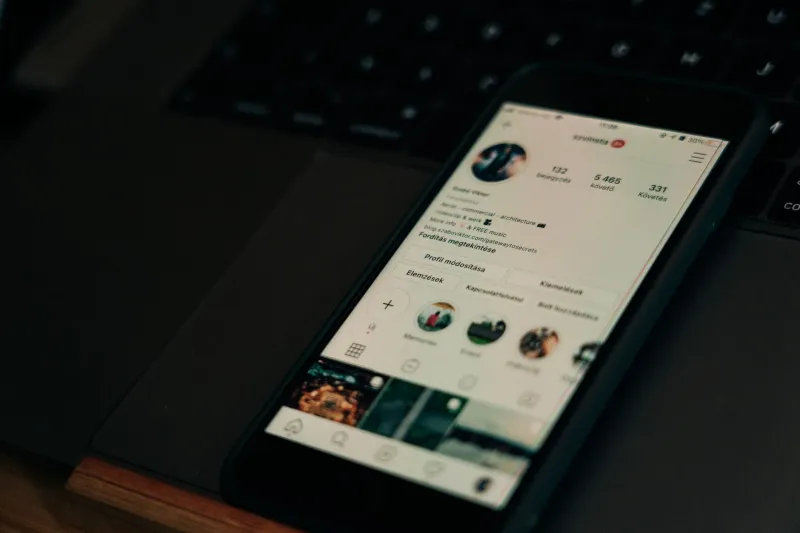
There's a specific kind of horror in opening an account with 4.2 million followers and watching a video sit at 300 views. No error message. No notification. No explanation from any platform support desk that actually responds to humans. Just the number — that big, impressive, completely meaningless number — sitting there like a headstone in a cemetery nobody visits.
This is what algorithmic erasure looks like from the inside. And it's quieter than you'd expect.
The Follower Count as Fiction
When we talk about social media fame, we talk about followers like they're a physical thing. A resource. Something you accumulate and keep. But spend enough time in the wreckage of accounts that used to matter, and you start to understand that a follower count is really just a number the platform agreed to display. It doesn't mean those people are watching. It doesn't mean the algorithm is pushing your content anywhere near their feeds. It's a historical artifact — a record of what the machine once decided you were worth.
Creators who've lived through this describe it in remarkably similar terms. One lifestyle creator who peaked around 2019 with close to three million Instagram followers described the experience as "watching your house from the outside while someone else lives in it." The account still existed. The followers were still technically there. But the reach had collapsed so completely that posting felt like dropping a note into a void.
She hadn't violated any terms of service. She hadn't been publicly called out for anything. The algorithm just... moved on. And it took her audience with it.
What Actually Happens During a Collapse
The mechanics of this kind of erasure are worth understanding, even if the platforms themselves refuse to document them clearly.
Shadowbanning — a term the major platforms have historically denied using while quietly implementing — doesn't delete your account. It doesn't remove your followers. What it does is remove you from discovery. Your content stops appearing in hashtag searches. It gets deprioritized in home feeds. New users never encounter you. And because social media engagement is partially driven by momentum — the more people see something, the more the algorithm shows it to others — a suppressed account enters a death spiral that compounds itself daily.
For creators who built their entire professional identity on a platform's goodwill, this is catastrophic. We're talking about people who left traditional careers, who hired editors and managers, who took out loans against expected ad revenue. When the algorithm ghosts them, the financial consequences are immediate and severe. The emotional ones tend to linger longer.
Documented cases aren't hard to find if you know where to look. The Social Blade data on certain accounts tells a story the creators themselves rarely discuss publicly — follower counts that held steady for years before entering a sustained, inexplicable decline. Not the sharp drop you'd see from a mass unfollowing event or a public controversy. Something slower. More deliberate-looking. A gradual dimming.
The Graveyard Is Full of Checkmarks
Here's what makes this particular flavor of digital death so strange: the verification badges stay. The follower counts remain. The archived content sits there, timestamped proof that this person was once relevant enough to matter to millions of people.
Browse through enough of these accounts and you start to feel like you're walking through a very specific kind of museum. Everything is preserved. The lighting is still on. But nothing's been updated since sometime around when the algorithm decided this particular signal wasn't worth amplifying anymore.
Some creators lean into it, almost defiantly. They keep posting to audiences that can't actually see them, maintaining a routine that no longer generates income or influence. Whether that's admirable or heartbreaking probably depends on the day you're having when you encounter it.
Others simply stop. The last post sits there — usually something ordinary, a meal or a sunset or a sponsored product they probably never got paid for — with no indication that it was the final transmission. No farewell. No explanation. Just the last thing they said before the void absorbed them completely.
The Platform Has No Incentive to Tell You
One of the more unsettling aspects of all this is how deliberately opaque the platforms remain about their own suppression mechanics. There's no dashboard telling a creator their content has been flagged for reduced distribution. No email explaining that their engagement rate has triggered some automated review process. Nothing.
From a business perspective, this makes a certain cold sense. Platforms need creators to keep creating. If every suppressed account received honest notification of what was happening to them, the rational response would be to leave — and an exodus of creators, even ones the algorithm has effectively abandoned, would look bad in quarterly reports.
So instead, the machine stays quiet. And the creators keep posting into the dark, sometimes for months, sometimes for years, wondering what they're doing wrong. Tweaking their thumbnails. Adjusting their posting schedules. Buying into whatever optimization advice the platform's own educational resources are selling that week.
The answer, in many cases, is that they aren't doing anything wrong. The algorithm simply reclassified them. They became infrastructure — still technically present, no longer functionally visible.
What Gets Left Behind
The most interesting thing about these collapsed accounts isn't the collapse itself. It's the archaeological record they leave.
Because the internet doesn't forget, even when the algorithm stops caring. The interviews still exist. The brand deals are still documented. The fan edits and reaction videos and commentary pieces that once orbited these creators like satellites are still out there, pointing back at a center of gravity that no longer exerts any real pull.
It's a strange kind of fame archaeology — digging through the sediment of what someone's presence used to mean, following links that still resolve, watching numbers that no longer move.
Somewhere between the peak and the silence, these accounts crossed a threshold the platform never announced and the creator never agreed to. They became monuments to a version of internet celebrity that the algorithm decided it was done with.
The verification badge just means the monument is official.
The follower count is the inscription on the stone.