The Domain Graveyard Is a Real Estate Market Now
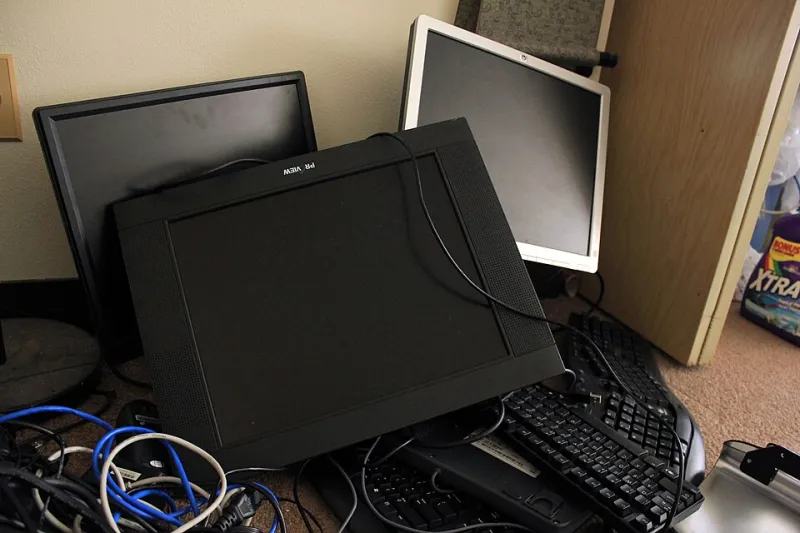
Photo: Yinan Chen, Public Domain, via Wikimedia Commons
Every day, thousands of domain names expire. You do not notice, because you are not checking. But somewhere out there, a URL you bookmarked in 2011 is now a parking page full of sponsored links for mortgage rates. A blog you loved is gone. The domain is not dead. It is for sale.
The expired domain market is one of the internet's oldest and strangest economies. It is built on forgetfulness, speculation, and the fact that a web address can outlive the website it once pointed to. In 2026, it is more active than ever. Drop-catchers, domain investors, SEO consultants, and small-business owners all compete for the same digital real estate. The website you forgot is not gone. It is waiting for a buyer.
The Drop
When a domain expires, it does not vanish immediately. There is a grace period, then a redemption period, then a pending-delete phase. During that window, the original owner can usually renew. After that, the domain drops. That is when the machines wake up.
Drop-catchers use automated systems to register valuable names the instant they become available. They are looking for age, backlinks, keyword relevance, and history. A domain that once hosted a popular blog is more valuable than a random string of letters, because it may still have links from old news sites, directories, and forums. Those links carry SEO weight. They also carry memory.
What Buyers See in a Dead URL
Not everyone who buys an expired domain is a squatter. Some are brand owners trying to reclaim a URL. Some are historians. Some are hobbyists who want to resurrect a dead community. But the market is dominated by investors who buy in bulk and park the domains with ads. The parking page is the default afterlife of the web. It is a billboard where a building used to be.
The unsettling part is how much of the old site can survive. A domain can be re-registered and pointed at a new server, but the search engine results may still show the old title and description. Backlinks from old pages still work. Old RSS feeds still exist. Email addresses still bounce. The new owner can inherit the reputation of the old site, for better or worse. A dead blog can become a spam hub. A beloved forum can become a redirect to a casino.
Parking Lots for Ghosts
The domain aftermarket is a bit like storage-unit auctions. You bid on a locked door and hope there is something inside. Sometimes you find a valuable brand. Sometimes you find a legal mess. Sometimes you find nothing but a decade of spam and a broken WordPress install.
Small businesses get caught in this system all the time. They forget to renew a domain, or the person who managed it leaves, and suddenly their website is a parking page. They have to buy it back from an investor at a markup. It is a quiet crisis that happens every week in the US. The domain is not just an address. It is the front door. And someone else is standing in it.
The Remnants That Refuse to Die
Expired domains do not fully disappear. They leave traces. A logo in an old press release. A link in a forum thread. A business card in a drawer. The web is not a library. It is a lease. When the lease runs out, someone else moves in. Sometimes they paint over the walls. Sometimes they leave the furniture.
That is the strange afterlife of the URL. It is not a ghost, exactly. It is a forwarding address. You can still type it in. You can still land somewhere. But the place you remember is gone. The domain is just a sign on a door that now opens into a different room.